

Understanding Interpol Red Notice Removal: A Comprehensive Guide
An Interpol red notice can significantly impact an individual’s life, reputation, and freedom. However, there are ways to challenge and potentially remove such notices. In this article, we will delve into what an Interpol red notice entails, the processes involved in its removal, and practical steps for individuals who find themselves in this predicament. For further assistance, you may visit Interpol red notice removal https://interpolrednoticeremoval.com.
What is an Interpol Red Notice?
An Interpol red notice is a request for the arrest of an individual that has been issued by Interpol, typically at the behest of a member country. It serves as a tool for international law enforcement cooperation, allowing police agencies across different jurisdictions to notify each other about persons wanted for prosecution or to serve a sentence based on national arrest warrants.
It’s important to note that a red notice is not an international arrest warrant. Instead, it acts as a formal alert to member countries regarding a person’s wanted status. Once issued, it can lead to detention in any country that recognizes the notice, which can be incredibly damaging to one’s life and career.
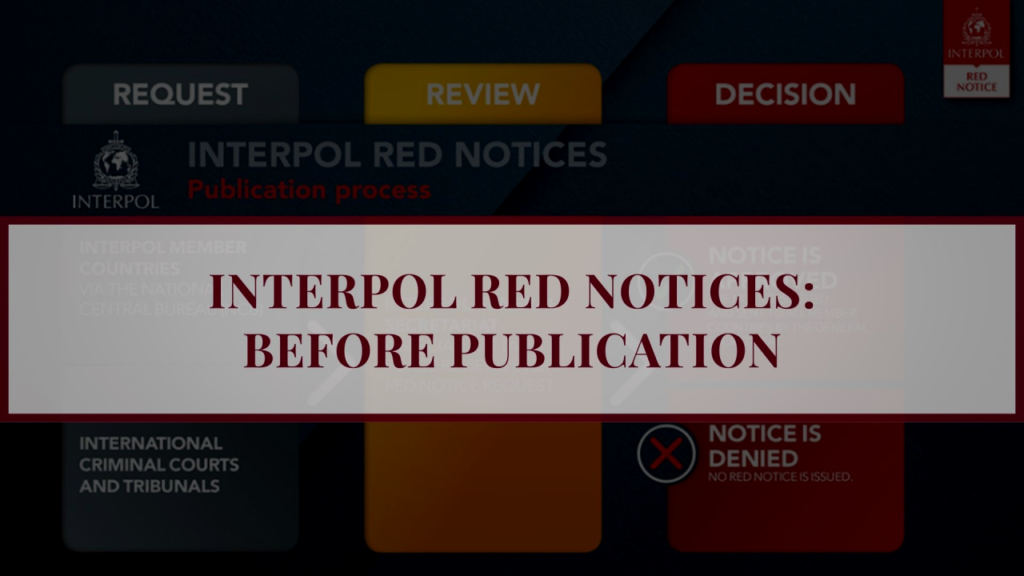
Reasons for Issuing a Red Notice
Red notices can be issued for various reasons, including but not limited to:
- Serious criminal offenses, such as fraud, drug trafficking, and murder.
- Political offenses—sometimes red notices are issued for political reasons, resulting in wrongful detentions.
- Failure to comply with a court order, such as skipping bail.
Consequences of a Red Notice
The consequences of being subject to an Interpol red notice can be severe:
- Detention: Individuals can be arrested in any country that recognizes the notice.
- Travel Restrictions: The notice can hinder your ability to travel internationally.
- Reputation Damage: A red notice can lead to public suspicion and tarnish an individual’s personal and professional reputation.
Understanding the Removal Process
Given the significant implications of a red notice, understanding the removal process is crucial for affected individuals. The process requires a thorough understanding of both Interpol’s regulations and the individual circumstances surrounding the notice.
Steps to Remove an Interpol Red Notice
Removing a red notice usually involves the following steps:
- Legal Consultation: Engage a lawyer experienced in international law and Interpol processes to assess your case.
- Gather Evidence: Collect all relevant documents that could support your claim for removal, including court documents, character references, and any declarations that assert your innocence.
- File a Request for Removal: Submit a request for removal through Interpol’s Commission for the Control of Interpol’s Files (CCF).
- Await a Decision: The CCF will review your case and decide whether the notice should be maintained or removed based on international law and human rights standards.
Legal Pathways for Removal
There are various legal avenues one can pursue when attempting to remove a red notice:
- Challenging the Basis of the Notice: If the underlying charges are erroneous or politically motivated, you can present evidence to counter the accusations.
- Engaging in Diplomatic Channels: In certain cases, working with your home country’s embassy or consulate can lead to an informal resolution.
- Human Rights Appeals: If the issuance of the red notice violates your human rights, invoking these concerns can also facilitate removal.
Common Misconceptions about Red Notices
There are numerous misconceptions surrounding Interpol red notices that can complicate the public’s understanding of the process. A few common myths include:
- Myth: A red notice is the same as an arrest warrant. Clarification: Red notices are alerts and are not legally binding across jurisdictions.
- Myth: Once issued, a red notice cannot be challenged. Clarification: Affected individuals have the right to contest the notice in various ways.
- Myth: All countries treat red notices the same. Clarification: Different countries may have unique interpretations of red notices and their legal implications.
Conclusion
The anguish and uncertainty that accompany an Interpol red notice can be overwhelming. However, understanding the reasons for its issuance and the avenues available for removal can empower individual

s affected by such notices. Consulting with a legal expert, gathering compelling evidence, and navigating the proper channels are vital steps to reclaiming one’s freedom and dignity.
If you or someone you know is dealing with an Interpol red notice, taking immediate action is critical. Reach out to professionals who specialize in this area to explore available options and begin the journey towards resolution.