
Understanding Sanctions Compliance & Risk Advisory in Today’s Global Landscape
In a rapidly evolving global economy, businesses are increasingly required to navigate a complex web of regulations and compliance requirements. Among these, sanctions compliance has emerged as a critical area of focus, particularly for organizations operating in multiple jurisdictions. Companies must ensure that their operations are aligned with national and international sanctions laws to mitigate risks and avoid severe penalties. In this context, the role of Sanctions Compliance & Risk Advisory Sanction Lawyer becomes paramount, providing essential guidance in navigating these intricate waters.
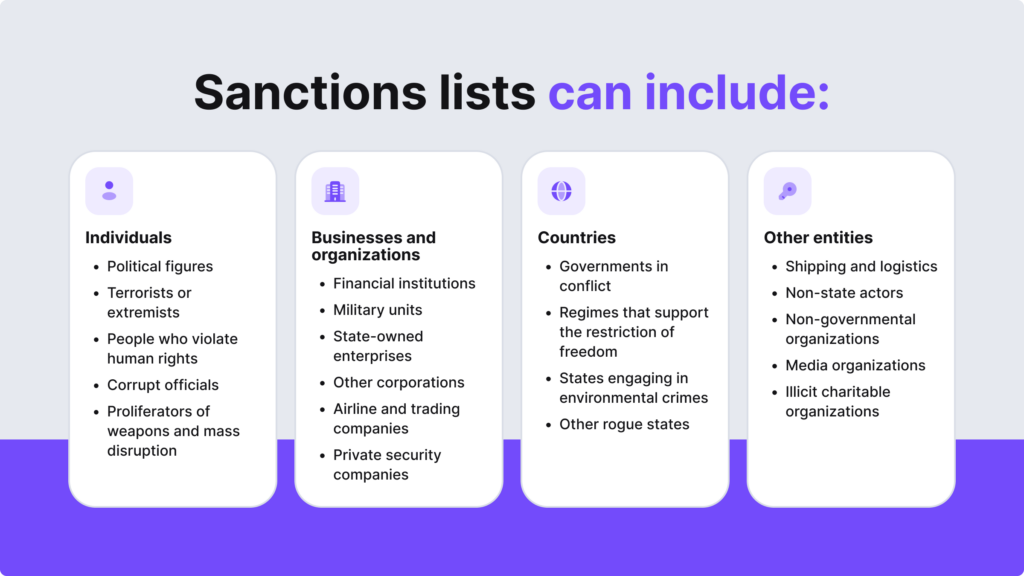
Sanctions can be imposed for various reasons, including national security, human rights violations, and international treaties. They can take many forms, from economic sanctions that restrict trade and financial transactions to travel bans targeting specific individuals. Understanding the nuances of these sanctions is vital for any organization. This article explores the key aspects of sanctions compliance, the risks involved, and the importance of advisory services in maintaining compliance and managing associated risks.
The Importance of Sanctions Compliance
Sanctions compliance involves ensuring that an organization adheres to relevant sanctions laws and regulations. Non-compliance can result in significant repercussions, including hefty fines, legal penalties, and reputational damage. The enforcement of sanctions is increasingly stringent, as governments and international bodies enhance their efforts to combat illegal activities, terrorism financing, and other illicit actions.
For businesses, the importance of sanctions compliance cannot be overstated. Companies that engage in cross-border trade or have international dealings are particularly susceptible to sanctions risks. Any failure to comply can disrupt business operations, lead to financial losses, and create long-lasting damage to a company’s reputation. Therefore, organizations must proactively implement robust compliance programs to identify and mitigate risks associated with sanctions.
Understanding Sanctions and Their Types
Sanctions may be classified into several categories, including but not limited to:
- Economic Sanctions: These are restrictions on trade, investments, and financial transactions with specific countries or entities.
- Military Sanctions: Arms embargoes prevent the supply of weapons and military equipment to certain nations.
- Travel Bans: Individual restrictions can prevent specific persons from entering or transiting through certain countries.
- Sectoral Sanctions: Targeted measures against specific sectors of a country’s economy, such as oil and finance.
Each type of sanction serves a unique purpose and may be imposed by different entities, including the United Nations, the European Union, and individual countries like the United States. Understanding the specifics of these sanctions is crucial for companies that operate globally.
Risk Assessment and Management
Mitigating sanctions risks requires a thorough understanding of the risks involved in an organization’s operations. This process begins with a detailed risk assessment, which identifies various factors, including jurisdictions where the business operates, the nature of transactions, and potential affiliations with sanctioned individuals or entities.
Businesses must continually monitor their operations and ensure compliance by employing due diligence measures. These measures may include:
- Screening Procedures: Implementing background checks on clients, partners, and suppliers against sanctions lists.
- Training Programs: Providing employees with information about sanctions laws and compliance procedures.
- Regular Audits: Conducting periodic audits of business operations to identify and mitigate sanctions risks.
The Role of Risk Advisory Services
Given the complexity of sanctions compliance, organizations often rely on risk advisory services to guide them in navigating these challenges effectively. Risk advisory firms provide a range of services, including:
- Compliance Program Development: Helping organizations design and implement effective compliance frameworks tailored to their specific needs.
- Risk Analysis: Offering insights into potential risks and recommending strategies for mitigation.
- Training and Support: Providing training for employees and ongoing support for compliance programs.
- Legal Advisory: Offering legal guidance on sanctions laws and regulations from experienced legal experts.
Collaborating with legal experts in sanctions compliance can help organizations navigate complex regulations and stay informed about any changes to sanctions laws. With proper guidance, businesses can reduce their exposure to risks and ensure that they are well-prepared to respond to the evolving sanctions landscape.
Case Studies: Lessons Learned
Numerous organizations have faced sanctions-related challenges in recent years, leading to significant penalties and reputational damage. By examining these case studies, other companies can learn valuable lessons and implement preventive measures to avoid similar pitfalls.
For instance, in 2019, a large multinational corporation faced substantial fines for violations related to sanctions against a specific country. The company’s failure to adequately screen its clients and transactions led to significant legal costs and operational disruptions. This case highlighted the importance of implementing robust compliance systems and regular training for employees to ensure that they understand the risks involved.
Another case involved a financial institution that faced penalties due to violations related to OFAC sanctions. The institution had insufficient monitoring and reporting mechanisms, which led to undetected transactions with sanctioned entities. As a result, they invested heavily in compliance upgrades and training programs to mitigate future risks.
The Future of Sanctions Compliance and Risk Advisory
As the geopolitical landscape evolves and global trade continues to expand, the realm of sanctions compliance and risk advisory will likely face new challenges. Businesses must remain vigilant and adapt their compliance strategies to keep pace with regulatory changes and emerging risks.
The role of technology will also play a significant part in the future of sanctions compliance. Emerging technologies, such as artificial intelligence and machine learning, can enhance the capability of companies to identify risks promptly and monitor transactions more effectively. By integrating these technologies into their compliance frameworks, organizations can streamline processes and improve overall efficiency.
Conclusion
In conclusion, sanctions compliance and risk advisory are critical components of modern business operations. As organizations navigate the complexities of international regulations, the role of legal experts and risk advisors becomes increasingly important. By understanding the various types of sanctions, implementing robust compliance programs, and leveraging the insights offered by advisory services, businesses can effectively mitigate risks and ensure that they operate within the legal frameworks of the jurisdictions in which they do business. This proactive approach not only protects organizations from potential penalties but also enhances their reputation in the global marketplace.