
In today’s interconnected world, the implications of secondary sanctions overreach far beyond the borders of a targeted nation. The impact is felt by businesses across the globe, leading to an urgent need for organizations to understand these regulations in detail. For legal guidance, organizations may consult Secondary Sanctions Sanctions Lawyers to navigate the complexities of the legal framework surrounding sanctions.
What Are Secondary Sanctions?
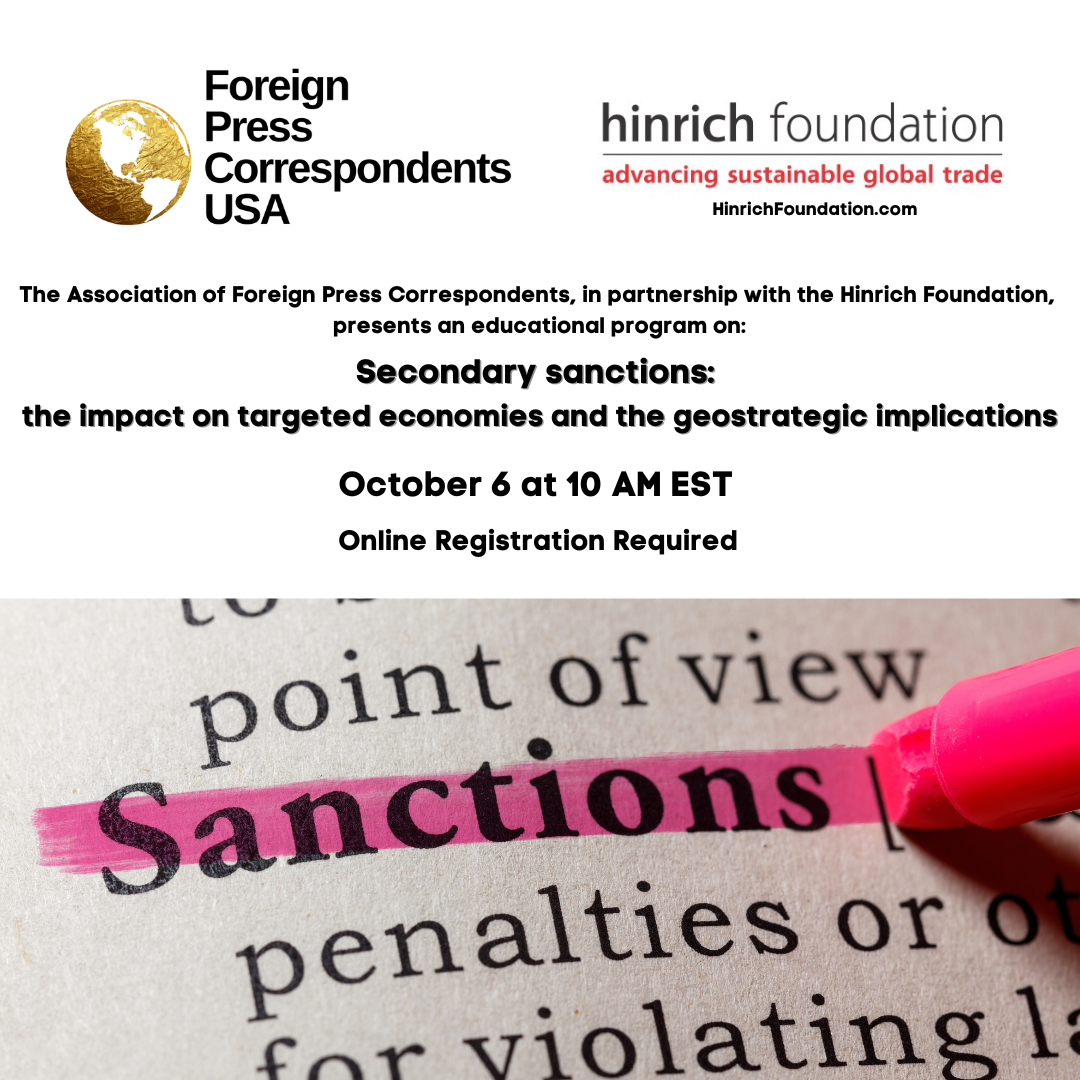
Secondary sanctions are a foreign policy tool employed by nations, primarily the United States, to restrict trade and financial transactions not only with nations but also with foreign entities that engage with the sanctioned nation. This strategic approach is designed to enhance the effectiveness of direct sanctions and to deter third-party nations and organizations from aiding the sanctioned country.

Historical Context
Secondary sanctions have their roots in U.S. foreign policy, particularly in the post-World War II era. As global tensions rose during the Cold War and subsequently in the wake of various international conflicts, the U.S. developed an intricate system of sanctions that were categorized into primary and secondary forms. While primary sanctions directly limit transactions with a sanctioned state, secondary sanctions create a broader web of restrictions that impact global actors.
Mechanisms of Enforcement
The enforcement of secondary sanctions involves a range of measures. The U.S. Department of the Treasury’s Office of Foreign Assets Control (OFAC) plays a critical role in identifying and penalizing non-compliant entities. When a foreign entity engages in significant transactions with a sanctioned nation, the U.S. government may impose restrictions that cut off that entity from the U.S. financial system. This can result in severe repercussions, including hefty fines and loss of access to lucrative markets.
Implications for Global Trade
The implications of secondary sanctions on global trade are profound. They create a chilling effect where companies may choose to avoid engaging with regions or entities that are in any way connected to a sanctioned country to mitigate risks. This reaction can lead to reduced economic opportunities and disruptions in international supply chains.
For instance, secondary sanctions on Iran have deterred numerous firms from developing business ties with Iranian companies, even if these firms are legally compliant in their home countries. The fear of U.S. penalties often leads businesses to adopt a zero-tolerance policy towards any transaction linked to sanctioned entities, resulting in a drastic restructuring of their operational guidelines.
Legal Strategies for Compliance
Given the complexities associated with secondary sanctions, it is imperative for companies to adopt proactive legal strategies. Conducting thorough due diligence is crucial to understand potential exposure to secondary sanctions. This includes screening business partners and customers against relevant sanctions lists maintained by OFAC and other global regulatory bodies.
Moreover, businesses should implement comprehensive compliance programs that include robust tra
.png "Understanding Secondary Sanctions Implications and Strategies 948061078")
ining for employees about the implications of secondary sanctions. Regular audits and assessments will help ensure that organizations remain vigilant and responsive to the evolving regulatory landscape.
Challenges and Considerations
While secondary sanctions serve as a deterrent, they raise several challenges and considerations for international businesses. One significant concern is the potential for disputes over interpretation and enforcement. The ambiguity around what constitutes “significant” transactions can lead to inconsistent applications of sanctions. This unpredictability is further complicated by differing international perspectives on sanctions, creating a landscape fraught with legal uncertainty.
Global Trends in Sanctions
As global politics evolve, so too do the mechanisms and applications of sanctions. Countries that previously aligned with U.S. sanctions are beginning to explore alternative foreign policy tools and alliances, which can create friction in international relations. A notable trend is the rise of multilateral sanctions, where multiple nations coordinate their efforts to apply pressure on a targeted state.
Furthermore, the increasing use of technology and digital finance poses new challenges for compliance. Cryptocurrencies and decentralized financial systems can potentially provide avenues for bypassing traditional financial sanctions, leading regulators to adapt their approaches accordingly.
Conclusion
Secondary sanctions represent a potent tool in the arena of international relations, reflecting a nation’s willingness to leverage its economic influence to shape global commerce. However, they also introduce significant risks and challenges that businesses must navigate. By understanding the mechanics of secondary sanctions, implementing robust compliance frameworks, and consulting with legal experts like Sanctions Lawyers, organizations can better position themselves to mitigate the risks associated with these complex regulations and thrive in an increasingly globalized market.